Guides
Sensitive Ears? What to Look for in Stud Earrings
A practical guide to stud earrings for sensitive ears: what to look for, what to avoid, and gentle everyday picks.
If your ears itch, redden, or get sore after wearing earrings, nickel is the most common culprit. Look for studs labeled hypoallergenic, favor 14K gold, keep designs simple and lightweight — and give irritated ears a break before trying a new pair.
Why Ears React
Nickel sensitivity is one of the most common metal sensitivities, and nickel shows up in a lot of fashion jewelry as part of the base alloy. As plating wears thin with everyday use, more of that base metal sits against the skin — which is why a pair that felt fine for months can suddenly start bothering you.
This isn't a diagnosis, and everyone's threshold differs. But if a pattern keeps repeating — fine with some pairs, irritated with others — the metal is the first thing to question, not your ears.
What to Look For
Hypoallergenic labeling. It's the clearest signal a maker had sensitive wearers in mind. "Hypoallergenic" isn't a strictly regulated term in jewelry, but brands that print it are at least designing for the concern.
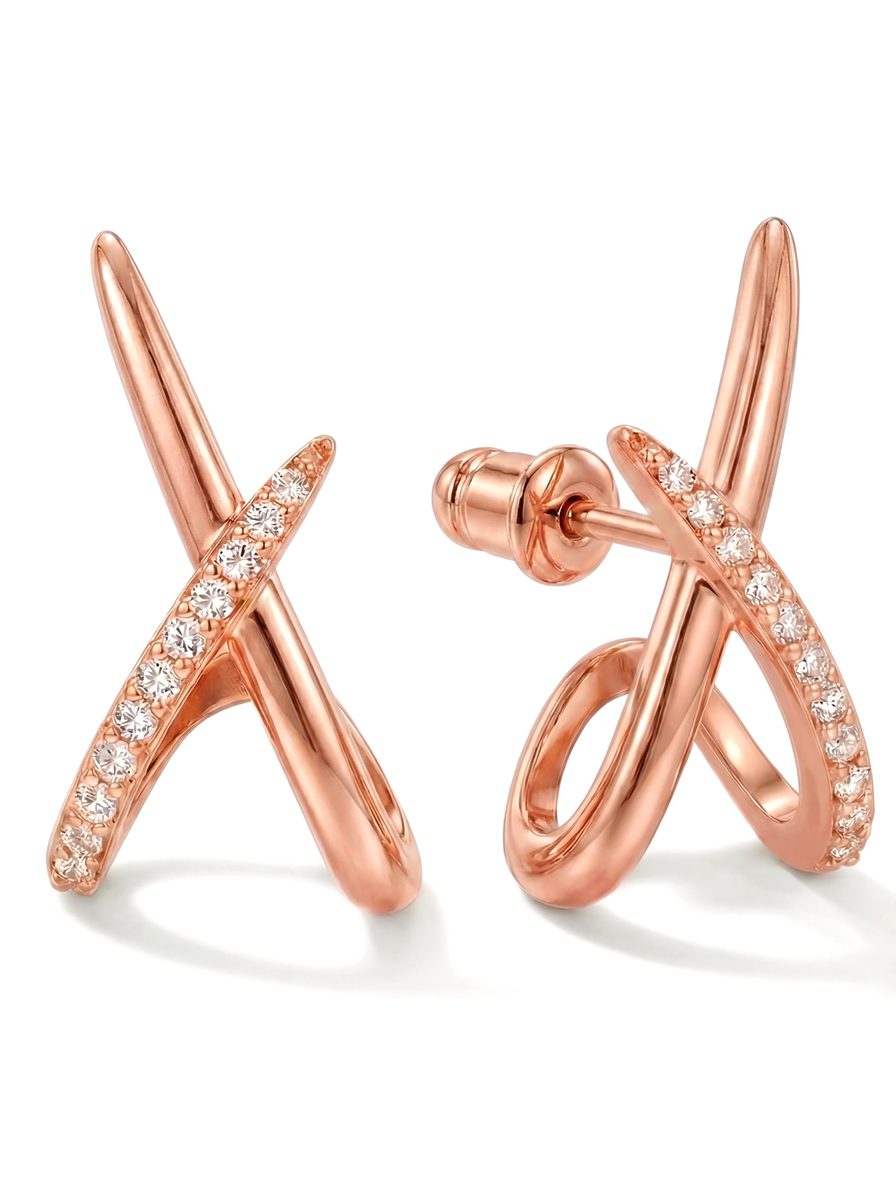
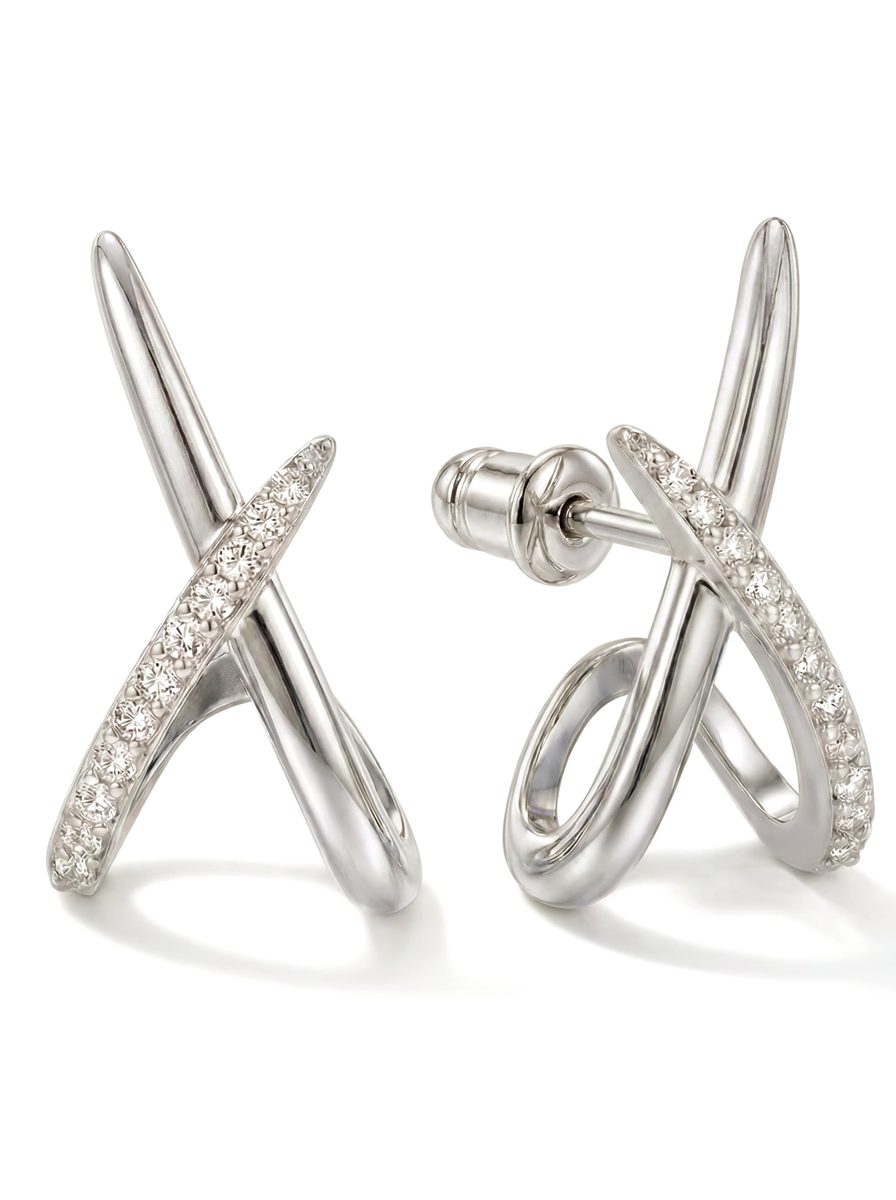
Try: Rose Gold Stud Earrings (B0DNXFQ3V2) — made with sensitive ears in mind, in a soft rose gold finish. Try: Silver Dainty Stud Earrings (B0DCYRVQ1V) — a dainty silver stud labeled hypoallergenic for everyday wear.
14K gold. It's a popular choice for sensitive ears, and many wearers tolerate it well. Reactions still vary person to person, so if you've reacted to gold before, look specifically for hypoallergenic-labeled pieces rather than assuming any gold will do.
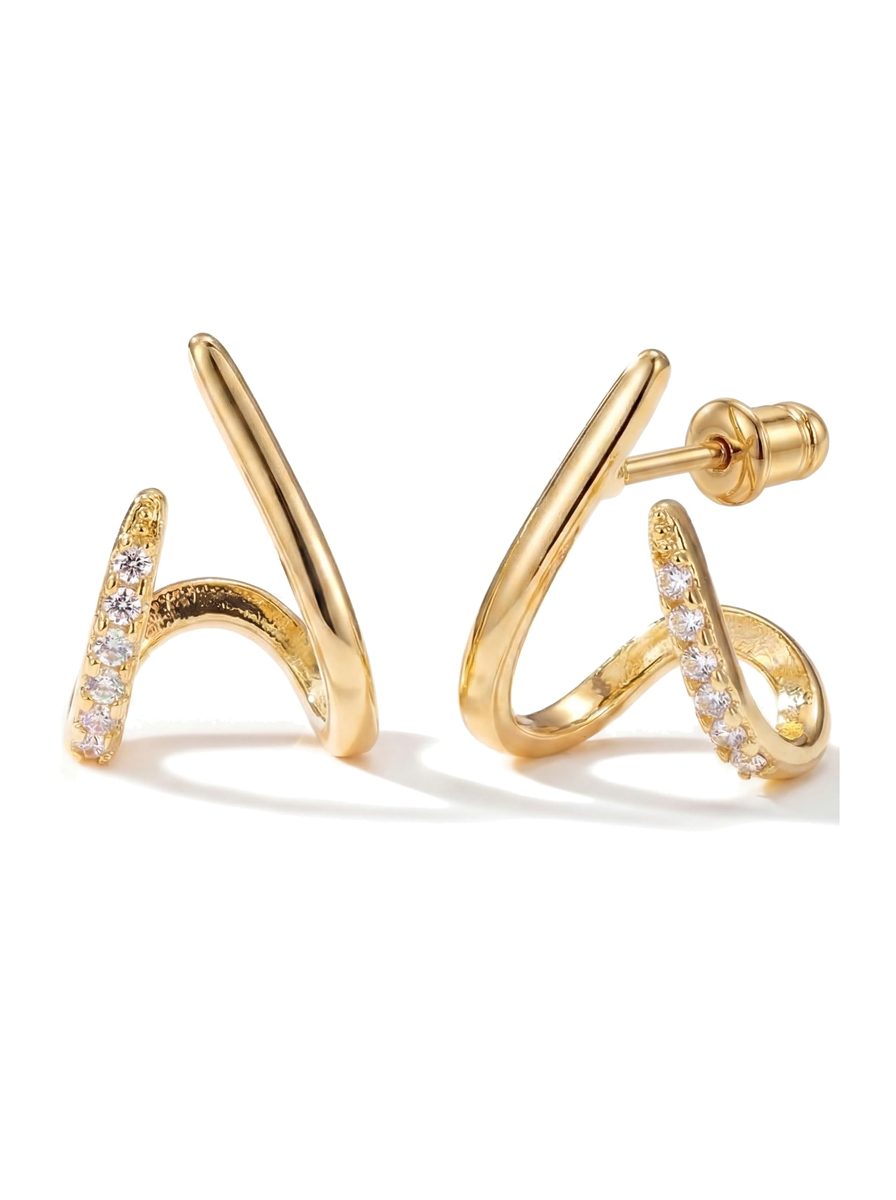
Try: 14K Gold Minimalist Stud Earrings (B0DLK17LMP) — a smooth, simple 14K gold stud with nothing fussy to irritate the skin. Try: 14K Gold Dainty Stud Earrings (B0F42Y1S5Z) — dainty 14K gold, light enough to forget you're wearing it.
Simple, smooth shapes. Fewer crevices mean less trapped soap, lotion, and moisture against reactive skin. A polished, unfussy shape is gentler than an intricate one.
Lightweight. Heavy studs pull on the piercing channel, and that mechanical irritation feels a lot like a metal reaction. If your ears are unhappy, go smaller before you go shopping.
Habits That Help
- Clean new studs before first wear. Warm water, mild soap, dry completely — manufacturing residue is a real irritant.
- Let irritated ears rest. Take the earrings out for a few days at the first sign of trouble rather than pushing through.
- Rotate, don't marathon. Giving the piercing air time between wears helps.
- Watch the plating. If a plated pair starts bothering you after months of fine wear, the plating may simply be wearing thin.
- See a professional if it persists. Ongoing swelling, pain, or discharge deserves a piercer or clinician, not another product.
FAQ
Are 14K gold earrings good for sensitive ears?
Many people with sensitive ears wear 14K gold comfortably, which is why it's a popular choice. Reactions vary person to person — if you've reacted to gold before, look specifically for hypoallergenic-labeled pieces.
What does "hypoallergenic" actually guarantee?
Less than you'd hope — the term isn't strictly regulated in jewelry. Treat it as a good sign of intent, not a medical promise.
Can I wear studs every day with sensitive ears?
Yes, once you find a pair your ears tolerate. Start with short wear periods and simple shapes, then build up.
Find a Pair Your Ears Like
Sensitive ears don't mean boring ears — they just mean choosing with a little more care. Start simple, start light, and let your ears vote. Browse the stud earrings collection, then complete your purchase on Amazon.