Guides
Screw-Back vs Push-Back Studs: Which Is More Secure?
Screw-back vs push-back (butterfly) earring backs compared: which holds better, when each makes sense, and tips to stop losing studs.
Screw-back studs are more secure than push-back (butterfly) studs — the threaded post has to be deliberately unscrewed, so it won't work itself loose during the day. Push-backs are faster to put on and take off, which makes them the convenient everyday choice, but they rely on friction alone and can loosen over time.
How Push-Back (Butterfly) Backs Work
A push-back is the classic earring back most studs come with: a small metal butterfly or disc that slides onto a smooth post and holds by friction. It's quick — push on, pull off — and comfortable for daily wear.
The weakness is exactly that friction. Posts and backs wear microscopically with every use, and a back that once gripped tightly can gradually loosen. You'll notice it when a stud starts rotating freely or sitting slightly forward on the ear. For inexpensive fashion studs you swap often, that's a fair trade. For a pair you'd hate to lose, it's the risk.
How Screw-Backs Work
A screw-back has a threaded post, like a tiny bolt, and the back twists on like a nut. Once it's on, vibration and movement won't walk it off — removal takes a deliberate unscrewing motion.
The trade-offs are real: they take longer to fasten (fiddly, especially with long nails), the threads can collect lotion and need occasional cleaning, and forcing a mismatched back can damage the post. But for pure "will I lose this earring" security, nothing in the standard stud world beats them.
When Security Matters Most
Reach for the most secure option you have — or at least check your backs — when the stakes are higher than usual:
- Sleeping in studs. Eight hours of pillow friction is the number-one way push-backs go missing.
- Travel. Losing one earring on day one of a trip ruins the pair for the whole trip.
- Active days. Workouts, kids, scarves, turtlenecks — anything that tugs at the ear.
- A stud you love. If replacing the pair would genuinely upset you, the extra ten seconds is worth it.
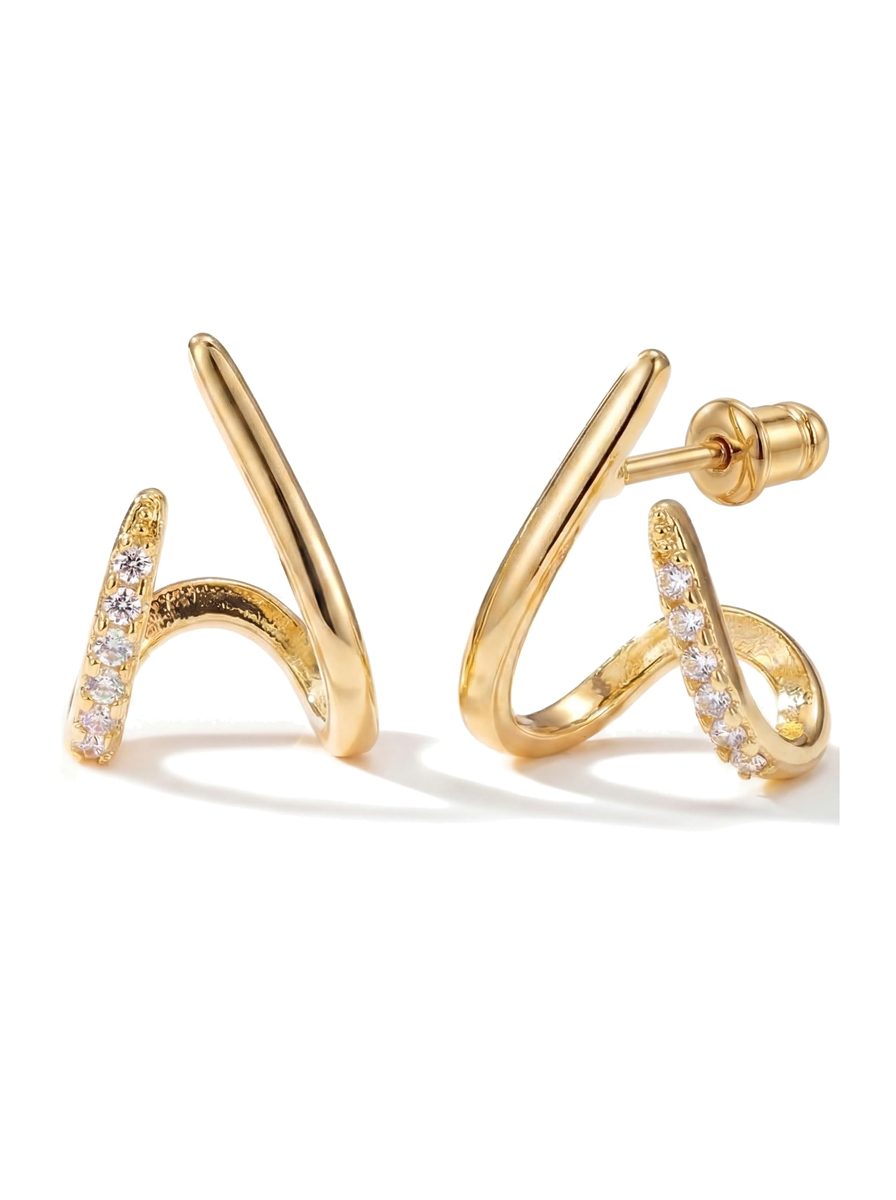
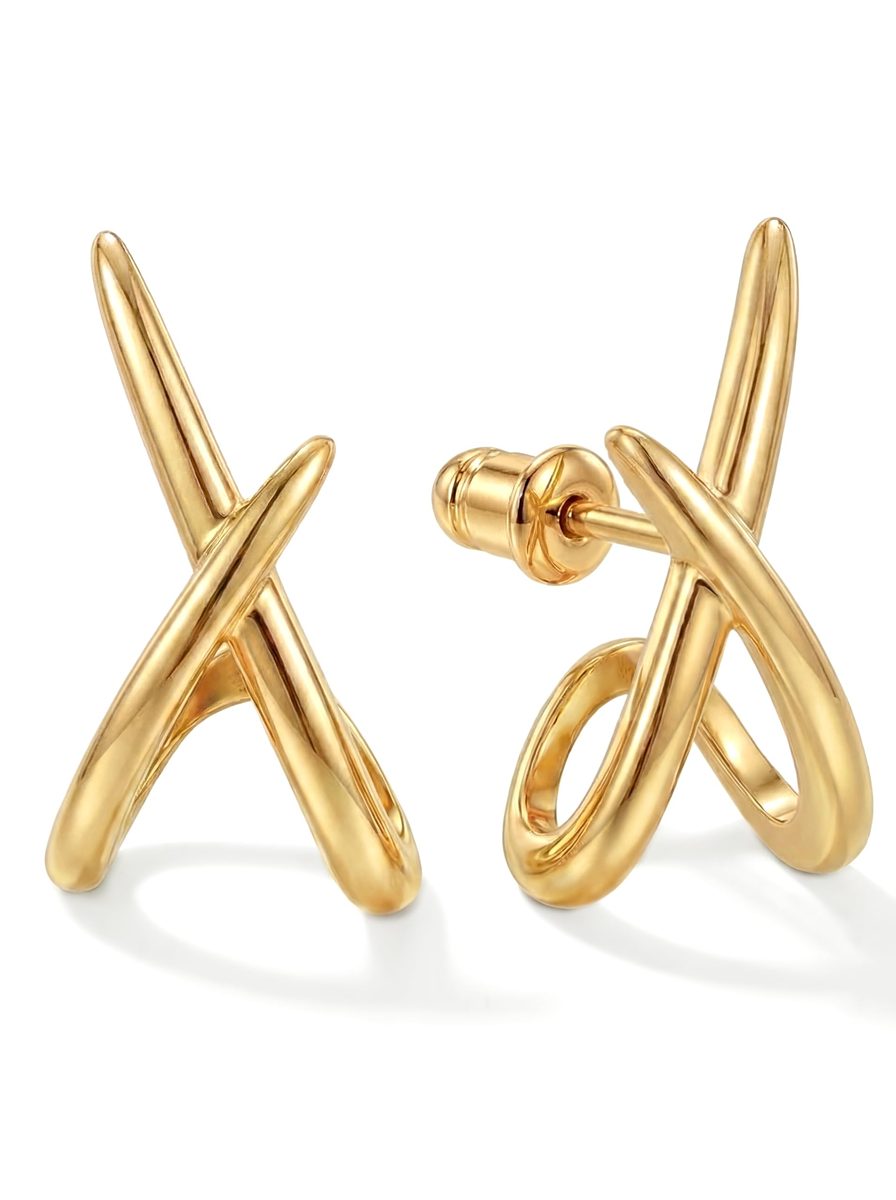
Try: 14K Gold Minimalist Stud Earrings (B0DLK17LMP) — a classic 14K gold stud you'll wear daily; exactly the kind of pair worth keeping on a secure back. Try: 14K Gold Dainty Stack Stud Earrings (B0CXTK7LRG) — small and light, so even a standard back holds well, but a secure back makes them truly worry-free.
When Push-Backs Are the Better Choice
Convenience wins plenty of days. Push-backs are better when you change earrings often, have trouble with fiddly fastenings, or wear second and third piercings where you're constantly swapping small pieces. They're also the standard on most fashion studs, so your options are widest.
A good middle ground: wear push-backs, but make checking them a habit. A quick pinch test each morning — can you slide the back with light pressure? — catches most loosening before it becomes a lost earring.
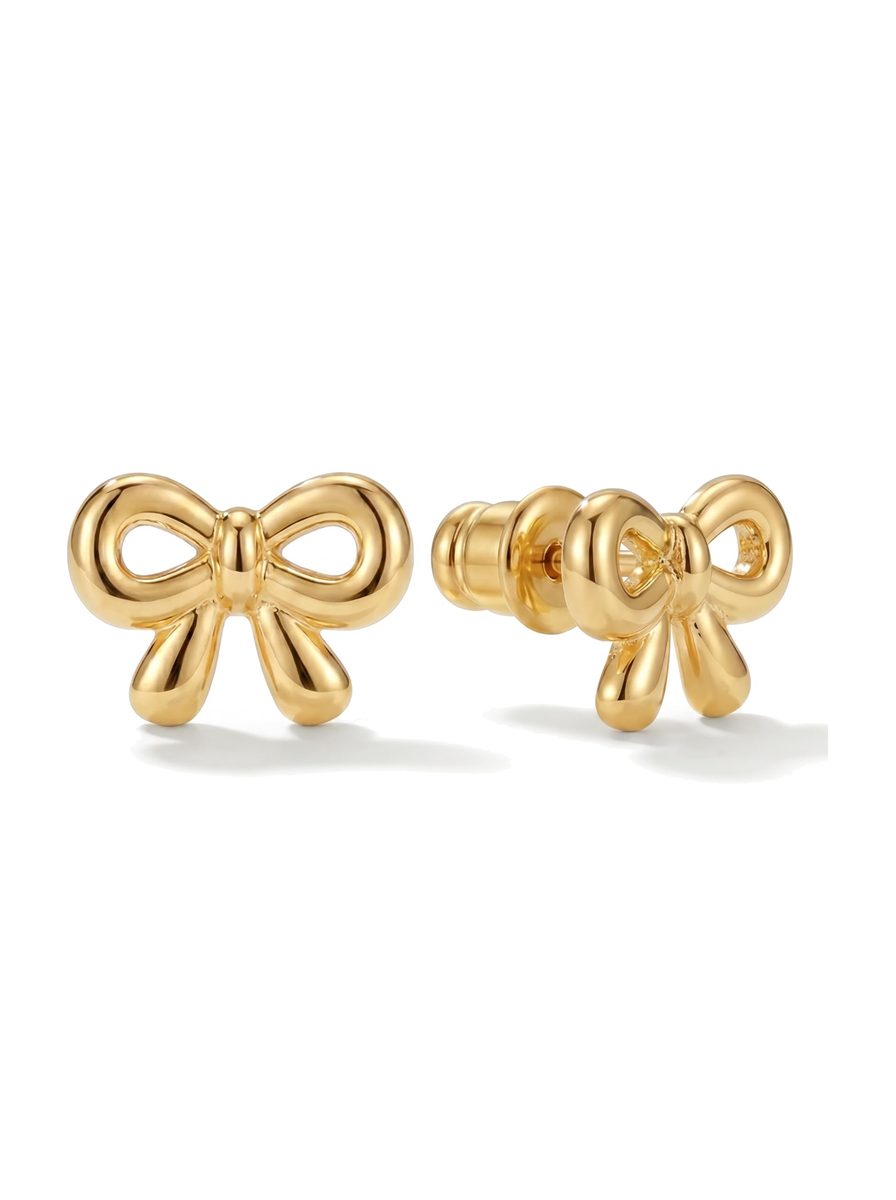
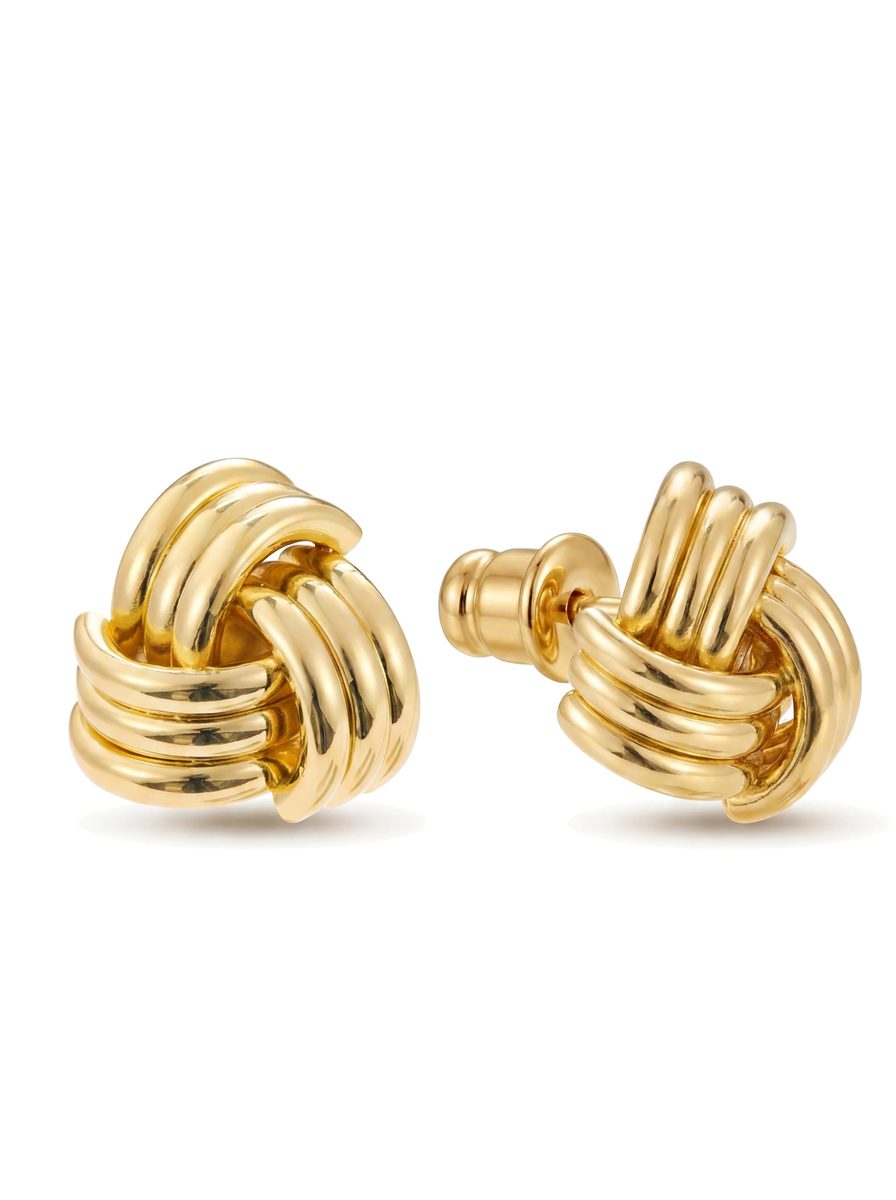
Try: Small Cute Bow Stud Earrings (B0D6R6XKW6) — a fun everyday gold bow stud, light enough that a push-back holds it comfortably. Try: Chunky Knot Stud Earrings (B0CZ7CFBRH) — a statement knot with enough presence that you'd notice immediately if a back worked loose.
Keep Any Stud From Going Missing
- Pinch-test push-backs monthly. If the back slides too easily, replace it — backs are cheap, earrings aren't.
- Don't overtighten screw-backs. Snug is enough; forcing the threads wears them out faster.
- Clean the posts. Lotion and soap film make push-backs slipperier. Warm water, mild soap, dry fully.
- Match the back to the day. Your most secure backs for sleep and travel days, push-backs for everything else.
- Check after scarves and sweaters. Knitwear is a notorious earring thief.
FAQ
Can I put screw-backs on any stud?
Only if the post is threaded. A screw-back won't grip a smooth push-back post, so check the post before buying replacement backs.
Do screw-back earrings hurt more?
They shouldn't, once fitted. Discomfort usually means the back is screwed on too tightly against the ear — back it off a quarter turn.
Are push-backs safe for new piercings?
Follow your piercer's advice for healing jewelry. Once healed, either back type works — choose based on how much security versus convenience you want.
Find Your Everyday Stud
The most secure earring back is the one you'll actually use correctly — a screw-back left half-twisted helps no one. Pick a stud you love, pair it with the right back for the day, and stop checking your ears in every mirror. Browse the stud earrings collection, then complete your purchase on Amazon.